Stainless Steel Veg Chopper: Fast, Clean, Even Prep
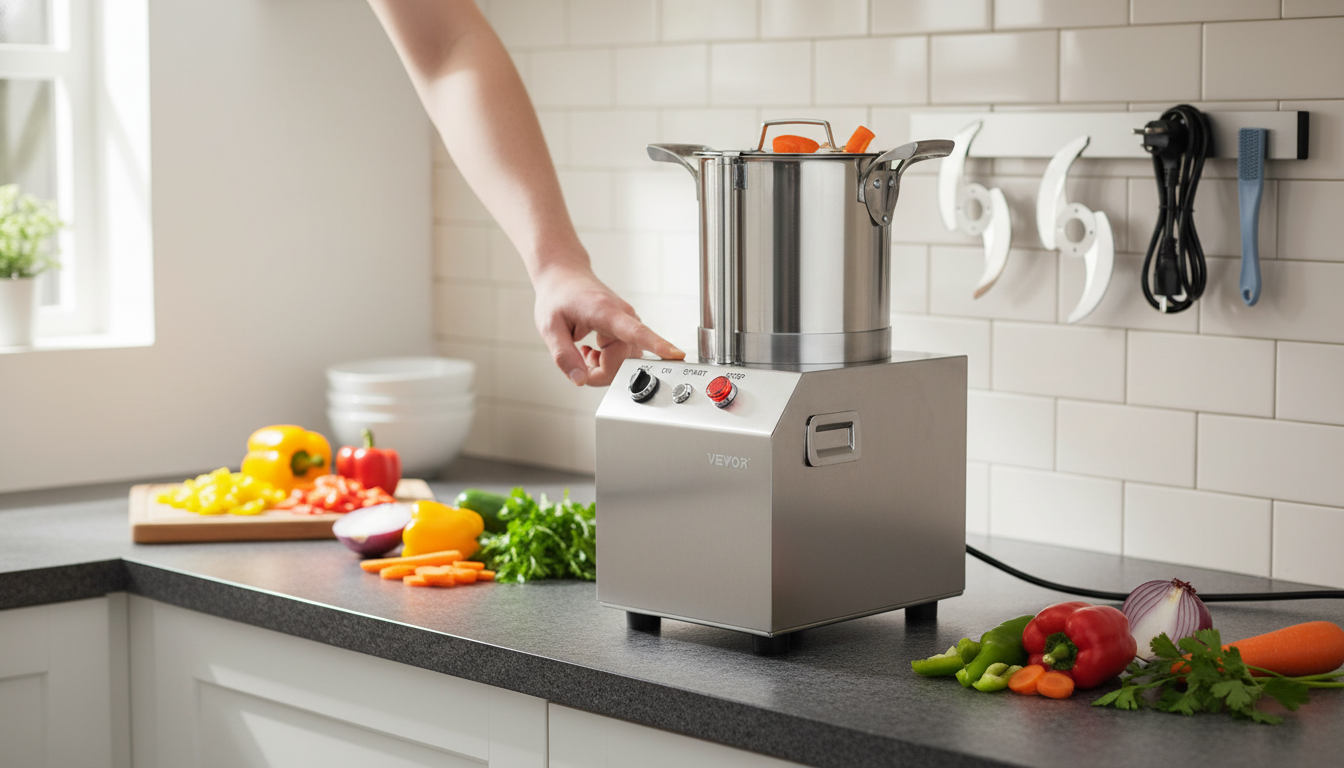
Stainless Steel Multifunctional Food Processor & Vegetable Chopper: Faster Prep, Cleaner Cuts, Less Waste
A sturdy stainless steel chopper can turn time-consuming slicing, dicing, and chopping into a quick, repeatable routine—especially for salads, stir-fries, soups, and weekly meal prep. When the goal is consistent pieces, less counter mess, and fewer teary-eyed onion sessions, a contained chopping system helps streamline the steps that usually slow dinner down. Below is a practical guide to what this tool helps with, how stainless steel changes the day-to-day experience, how to choose the right cut for the recipe, and how to keep blades performing safely for the long run.
What This Multifunctional Chopper Helps With
A multifunctional chopper is built for the tasks that show up again and again: onions, peppers, cucumbers, carrots, potatoes, herbs, and more. Instead of repeating the same knife motion for ten minutes, you can convert that time into a faster batch process—especially helpful when you’re prepping multiple ingredients for the week.
- Speeds up everyday prep: turn big piles of vegetables into ready-to-cook pieces quickly.
- More consistent cuts: uniform pieces cook more evenly and feel better in salads, salsas, and toppings.
- Less hand fatigue: reduces repetitive chopping when making larger batches.
- More contained mess: keeps onion juices and fragments in the chamber instead of across the board and counter.
Stainless Steel Build: Why It Matters in a Busy Kitchen
Material choice influences more than looks. Stainless steel is often favored for frequent use because it tends to hold up under repeated cycles of pressing, washing, and storing—especially when compared to lightweight plastics that can flex over time.
- Durability and stability: stainless steel can resist warping and cracking better than many plastics under heavy use.
- Odor and stain resistance: metal surfaces are less likely to hang onto strong aromas (like garlic and onion) when cleaned promptly.
- More confident handling: a weightier base can reduce sliding during operation (still use a stable surface and dry hands).
- Long-term value: solid construction is well-suited to frequent meal-prep cycles and larger ingredient volumes.
Common Cuts and When to Use Them
The “best” cut depends on what you’re making. Smaller pieces cook faster and distribute flavor more evenly. Larger pieces keep more bite and can hold moisture better in high-heat cooking.
- Dice: ideal for onions, tomatoes (firmer varieties), potatoes, and mixed vegetables for soups and stews.
- Chop: great for quick stir-fry mixes, taco toppings, and chunkier salsa bases.
- Slice: helpful for cucumbers, zucchini, mushrooms, and uniform sauté vegetables.
- Grate/shred (if included): useful for carrots, cabbage, and cheese where a finer texture improves mixing and cook speed.
- Match the cut size to the recipe: small for speed; medium for balance; larger for crunch and structure.
Cut Size Guide for Everyday Meals
| Cut style | Best for | Tip for better results |
|---|---|---|
| Small dice | Soups, omelets, fried rice | Pre-trim to similar thickness so pieces land evenly |
| Medium dice | Salsa, salads, sheet-pan veggies | Chill softer produce briefly for cleaner cuts |
| Slices | Stir-fries, sautéed vegetables, sandwiches | Cut ends flat to prevent rolling before slicing |
How to Get Cleaner, More Consistent Results
Even a great chopper performs best with a little setup. Clean cuts come from stable positioning, reasonable batch sizes, and ingredients that are trimmed to sit flat.
Cleaning, Care, and Blade Safety
For safe food handling, follow standard kitchen hygiene guidance—especially when switching between raw proteins and produce. Helpful references include the USDA Food Safety and Inspection Service and the FDA’s food safety resources for consumers.
Who This Tool Fits Best
Product Spotlight: Stainless Steel Multifunctional Food Processor & Vegetable Chopper
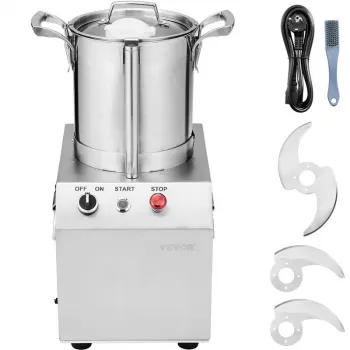
If faster, repeatable prep is the priority, the Stainless Steel Multifunctional Food Processor & Vegetable Chopper is designed for frequent chopping tasks with a stainless steel body that fits a high-rotation kitchen routine. It’s a practical option for building a smoother workflow for salads, stir-fries, soups, and side dishes—especially when you plan to prep in batches and store ingredients for later.
Quick Checklist Before Buying
| Consideration | Why it matters |
|---|---|
| Capacity | Determines how many servings can be prepped per batch |
| Blade options | Supports different textures: dice, slice, shred |
| Cleaning access | Easier cleanup increases how often the tool is used |
| Stability | Reduces slipping and improves safety during operation |
Helpful Add-On for Staying Organized
Keeping meal prep consistent often comes down to simple systems—like a quick checklist for what you’re chopping, cooking, and storing. If you like structured templates for planning and communication, the AI Newsletter Wizard – Ultimate Editable Checklist for Email Creators is a digital checklist product that can be repurposed for weekly planning and tracking routines (for example, outlining prep tasks and storage notes) alongside your kitchen workflow.
FAQ
Can a stainless steel vegetable chopper handle onions without making a mess?
Yes—use a stable surface, keep the exterior dry for a better grip, and work in batches so the chamber isn’t overloaded. Make sure the lid and chamber are fully seated to help contain splatter, then rinse promptly to reduce lingering onion odor.
How should blades be cleaned and stored safely?
Wash blades carefully using a soft brush or sponge, avoid abrasive pads, and dry completely before storing. Keep blades in a guarded or dedicated compartment when possible, and store them out of reach of children.
Why are my vegetables coming out uneven or crushed?
Uneven results usually come from overfilling, using produce that’s too soft, skipping trimming (so pieces don’t sit flat), or forcing ingredients through resistance. Check that blades are properly seated and not dull, and chill softer items briefly for cleaner cuts.















Leave a comment