Minimalist Long Wool Coat: Fit, Warmth & Styling Tips
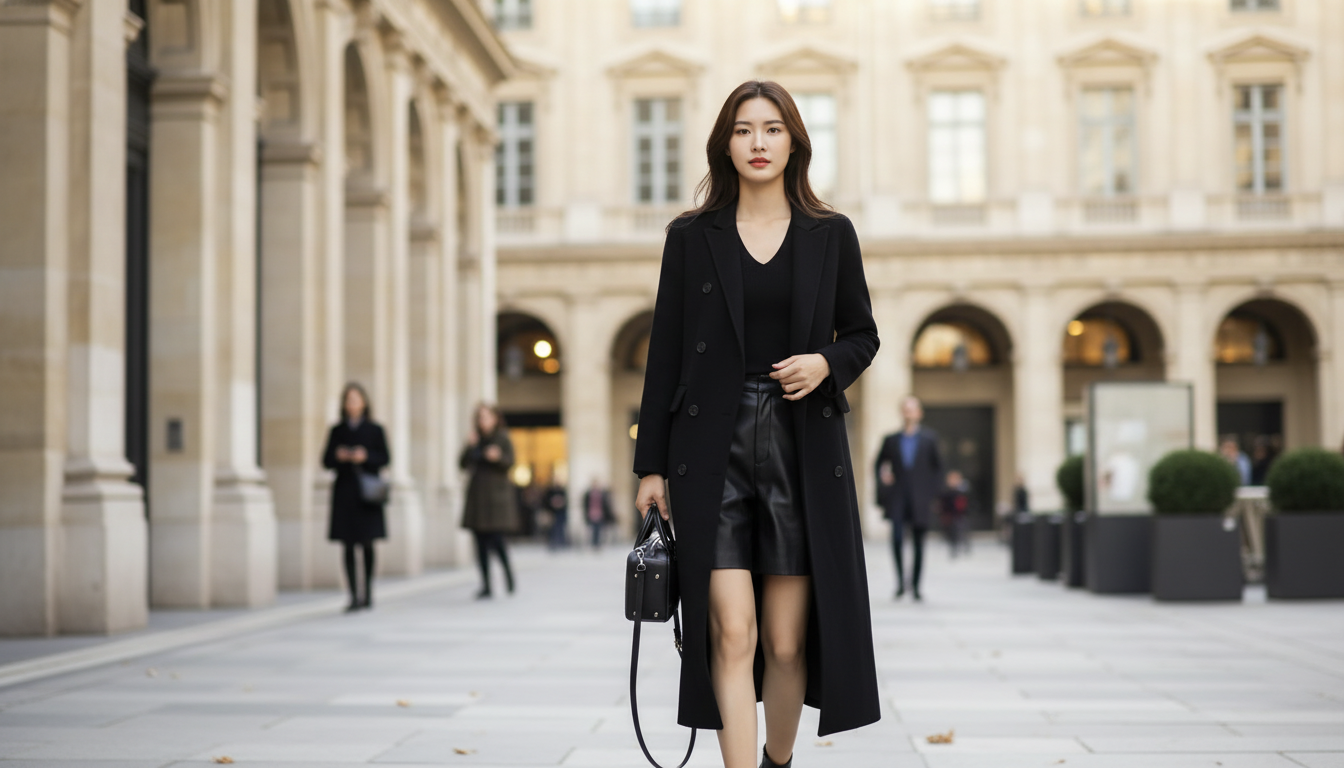
Minimalist Wool Long Coat for Women: Clean Lines, Warmth, and Everyday Polish
A long wool coat with a minimalist cut can anchor a cold-weather wardrobe: it adds structure over knits, elevates casual outfits, and stays relevant across seasons. The key is balancing silhouette, warmth, and ease of layering while choosing a fabric blend and details that match real daily wear—commutes, dinners, travel, and everything in between.
What Makes a Minimalist Long Coat Work
Minimalism in outerwear isn’t about being plain—it’s about choosing a silhouette and finishing details that look intentional from every angle. The most wearable long coats share a few practical design traits that make them easy to repeat all week.
- Simple shape with intentional proportions: a long hem, clean front, minimal hardware, and streamlined seams for an uninterrupted line.
- Versatile color palette: neutrals and grounded tones pair smoothly with denim, trousers, boots, and sneakers without looking “matchy.”
- Refined open or closed: a good minimalist coat holds its shape whether you wear it unbuttoned over a casual look or fully closed for wind protection.
- Details that matter: collar shape, pocket placement, sleeve width, and closure style (single-breasted, wrap, hidden placket) do most of the visual work.
Fabric and Warmth: Reading What Matters
Warmth isn’t only about length. A long coat can still feel chilly if the fabric is airy or the neckline leaks wind. Focus on what the material is doing—how it drapes, blocks gusts, and moves over layers.
- Wool content counts: wool helps regulate temperature and can resist odor; blends may improve durability and reduce wrinkling.
- Weight and weave matter more than hem length: denser fabrics tend to block wind better and hold a crisp silhouette.
- Prioritize lining for real layering: a smooth lining through the body and sleeves reduces friction over sweaters and helps the coat slide on easily.
- Plan for your climate: if you’re frequently outdoors in damp weather, consider how the fabric handles light precipitation and how quickly it dries.
- Neckline seal = warmer wear: lapels that lie flat, room for a scarf, or a higher collar can make a noticeable difference on windy days.
Quick Coat Checklist for Comfort and Wearability
| Feature | Why it matters | What to look for |
|---|---|---|
| Fabric weight | Affects warmth and drape | Medium-to-heavy feel with a structured hang |
| Wool content | Thermoregulation and longevity | Higher wool percentage for colder use; blends for easier care |
| Lining | Layering comfort and shape retention | Smooth lining through body and sleeves |
| Shoulder fit | Determines polish and mobility | Seam aligns near shoulder edge without pulling |
| Sleeve width | Layering without bulk | Room for a sweater; no tightness at bicep/elbow |
| Closure | Wind protection and styling | Secure buttons or a wrap belt that stays tied |
| Length | Coverage and versatility | Midi to ankle depending on height and commuting needs |
For care fundamentals and fiber-specific best practices, consult The Woolmark Company’s wool care guide. For a clear overview of what clothing care labels mean (and why they matter), the Federal Trade Commission’s care labeling rule is a helpful reference.
Fit and Silhouette: Choosing the Right Proportions
A minimalist coat looks best when the front hangs smoothly and the shoulders sit cleanly—no tugging, no puckering, no “tenting” at the buttons. Since you’ll likely wear it over knits and tailored layers, fit checks should happen with a realistic outfit underneath.
- Straight or slightly oversized cuts layer best: they accommodate chunky knits without distorting the outer line.
- Petite proportions: a slightly higher waist placement, narrower lapels, or a less extreme hem can prevent visual heaviness while keeping the long-line effect.
- Tall proportions: longer hems create a clean column and can look especially sharp with tonal dressing.
- Movement test: reach forward, sit down, and raise your arms; tightness often shows up across the back and upper sleeves first.
- Smooth closure matters: avoid gaping at buttons and pulling at the hip when the coat is closed.
Styling Ideas for a Minimal Wardrobe
A long wool coat earns its keep when it works with the basics already in rotation. The goal is a repeatable outfit formula that looks polished without feeling precious.
Care and Storage to Keep the Shape Crisp
Featured Pick: Minimalist Wool Long Coat for Women
- Minimalist Wool Long Coat for Women — a streamlined long-coat option designed to complement simple outfits and layered cold-weather looks.
- Best suited for a repeatable outfit formula: knitwear, tailored bottoms, and clean footwear.
- Consider sizing with layering in mind—leave room for a sweater without sacrificing shoulder alignment.
- Availability and pricing can change; confirm current details on the product page before purchasing.
More In-Stock Picks (Giftable, Useful, and Ready to Ship)
- AI Tips to Elevate Your Writing Voice | Editable Writing Tone Checklist — a quick-reference guide for creators who want more consistent tone across messages and captions.
- AI Newsletter Wizard – Ultimate Editable Checklist for Email Creators — a planning tool for building a more repeatable email routine.
FAQ
How should a long wool coat fit over sweaters?
Aim for comfortable shoulder alignment and enough sleeve and chest room to layer a medium-to-thick knit without pulling at buttons or feeling tight across the back. Try reaching forward and sitting down; the coat should move easily without strain.
Is a longer coat always warmer than a shorter one?
Length adds coverage, but warmth also depends on fabric weight, weave density, lining, and how well the neckline and front closure block wind. A well-sealed collar and denser cloth can outperform a longer but lighter coat.
How often should a wool coat be dry cleaned?
Follow the care label first; many coats don’t need frequent dry cleaning if they’re brushed, aired out, and spot-cleaned when needed. Saving dry cleaning for end-of-season or occasional deep cleaning can help the fabric last longer.














Leave a comment