Microfiber Leather MTB Grip Covers: Traction & Comfort
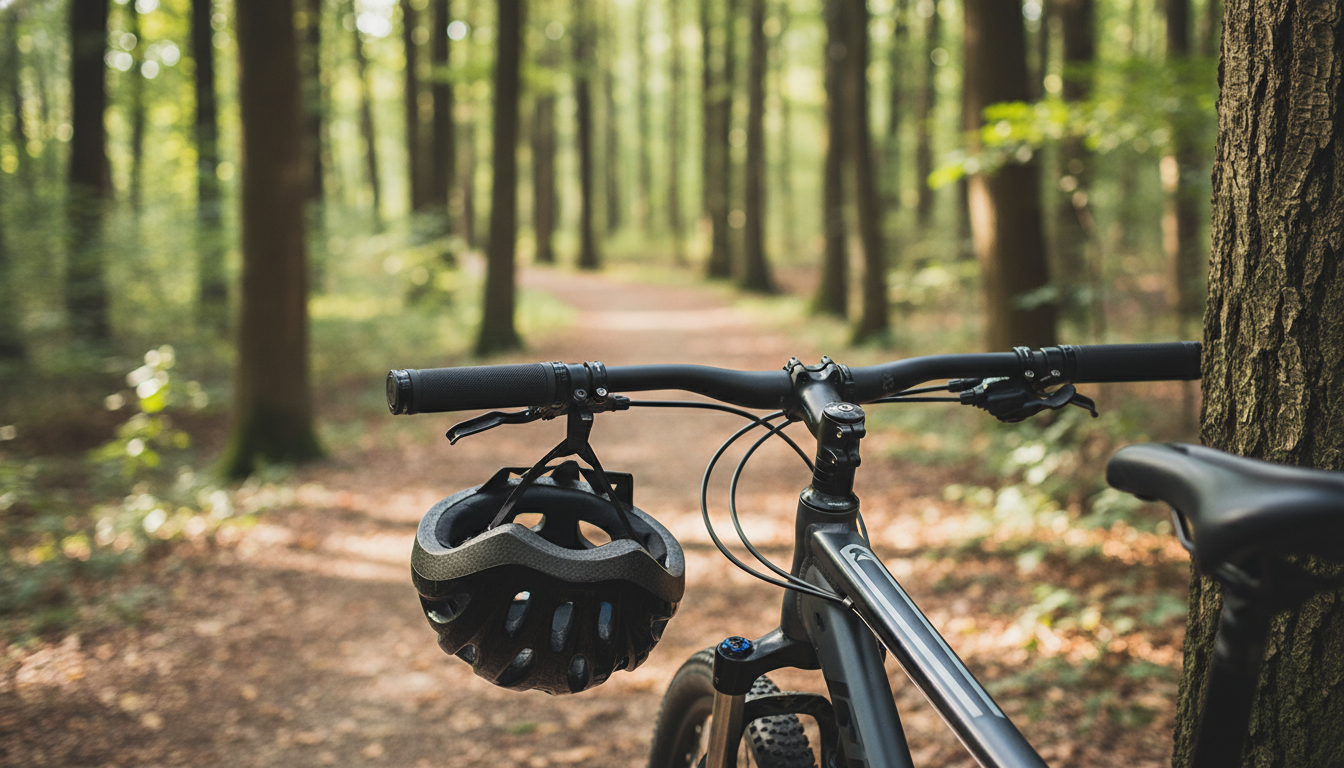
Handlebar grips do more than finish the look of a cockpit. They shape steering feel, influence hand fatigue, and help build confidence when the trail gets rough. Microfiber leather grip covers are made to add traction, take the sting out of vibration, and improve comfort on longer rides—while keeping a clean, premium look on MTB handlebars.
Why Grips Matter on an MTB
Your hands are the main contact point for braking, steering inputs, and body positioning. A solid grip setup can make the bike feel calmer and more predictable, especially on fast descents and chattery hardpack.
- Improves control by stabilizing hand placement during braking, climbing, and cornering.
- Reduces numbness by damping high-frequency trail vibration that travels through the bar.
- Helps prevent blisters and hot spots by smoothing pressure points over longer rides.
- Supports safer handling in wet or sweaty conditions when traction is most challenged.
If hand numbness is a recurring issue, it can also relate to fit and wrist position; a general overview of numbness causes is covered by Cleveland Clinic. On the bike, small cockpit changes (lever angle, bar roll, and grip feel) often add up.
Microfiber Leather Grip Covers: What They Do Well
Microfiber leather covers are popular with riders who want a controlled, slightly cushioned feel without going to an ultra-thick foam grip. They can also add a refined finish to an otherwise utilitarian cockpit.
- Anti-slip surface texture enhances grip confidence without needing excessive squeeze force.
- Shock-absorbing feel can take the edge off chatter and small bumps on hardtail or rigid setups.
- Microfiber leather offers a soft, tacky touch while maintaining a refined appearance.
- Good option for riders who prefer a slightly cushioned feel without very thick foam.
Key Features to Look For Before Buying
The “best” grip cover is the one that matches your bar, controls, and riding conditions. Focus on details that affect comfort and safety, not just looks.
- Handlebar compatibility: confirm your bar diameter and grip area length match typical MTB standards.
- Texture and tackiness: prioritize secure traction that still allows micro-adjustments of the hand.
- Cushion level: choose a balance between comfort and precise steering feedback.
- Edge finish and seams: look for clean edges that won’t rub the palm or snag gloves.
- Weather behavior: ensure reliable grip when wet, dusty, or muddy.
For a helpful overview of common handlebar/stem sizing standards, see Park Tool — Handlebar and Stem Standards.
Fit and Compatibility Checklist
Before installing any handlebar cover, it’s worth doing a quick dry-fit to confirm clearance. Controls that are a few millimeters off can create rubbing, uncomfortable seams, or uneven thickness left-to-right.
- Check whether the covers are intended to wrap over existing grips or serve as the primary grip surface.
- Verify clearance for brake clamps, shifters, dropper remote, and bar-end plugs.
- If riding with lock-on grips, ensure the cover doesn’t interfere with lock rings or lever placement.
- Plan for symmetrical positioning so both sides match in thickness and hand feel.
Quick Compatibility and Setup Guide
| What to check | Why it matters | Quick tip |
|---|---|---|
| Grip area length | Prevents crowding controls or leaving exposed bar sections | Measure from the inner clamp area to the bar end before ordering |
| Bar diameter | Ensures a secure wrap and consistent thickness | Most MTB bars use 22.2 mm grip diameter; confirm if using unusual bars |
| Control placement | Avoids rubbing on shifter/brake clamps | Dry-fit first, then tighten controls after final grip position |
| Bar-end plug fit | Protects the bar end and prevents cover lift | Use snug plugs; replace worn plugs to keep edges tidy |
Comfort, Traction, and Shock Absorption on the Trail
On real trails, grip feel is most noticeable when you’re tired, your hands are sweaty, or the terrain is relentlessly rough. A tacky, slightly cushioned surface can help keep your wrists relaxed and reduce the tendency to death-grip the bar.
Riders working on overall trail skills and positioning can find solid resources through IMBA, including general riding tips that pair well with comfort-focused cockpit upgrades.
Care and Maintenance
Product Spotlight: MTB Bike Grips Microfiber Leather Anti-Slip Shockproof Handlebar Covers
If the goal is a confident hold with a more refined feel, MTB Bike Grips Microfiber Leather Anti-Slip Shockproof Handlebar Covers are designed to deliver anti-slip traction and a shock-damping touch for trail riding. They’re a strong match for riders who want comfort without going overly bulky, especially for longer sessions where small vibration adds up.
More In-Stock Picks
- AI Tips to Elevate Your Writing Voice | Editable Writing Tone Checklist | Digital Download for Writers & Creators | ai tips for improving writing tone | Tone & Style Guide
- Wireless Silver Gaming Controller with Charging Dock for Switch, PC & iPad
FAQ
Are microfiber leather MTB grip covers good for sweaty or wet rides?
They can be, since a textured microfiber leather surface is designed to improve traction and reduce slip when your hands are sweaty. For the most consistent feel in wet conditions, pair them with full-finger gloves and wipe the grips clean after rainy or muddy rides.
Do shock-absorbing grips reduce hand numbness on long rides?
Added damping can reduce the amount of vibration transmitted into your hands, which may help with numbness over time. Comfort also depends on proper fit and setup—hand position changes, lever angle, and bar roll can make a noticeable difference.
Will these handlebar covers fit standard mountain bike handlebars?
Most MTB setups use a 22.2 mm grip diameter, but it’s still smart to confirm both bar diameter and usable grip area length before ordering. Also check clearance around lock rings, shifters, and brake clamps so nothing binds or crowds your controls.
















Leave a comment