Men’s Stretch Thermal Training Top: Warm, Dry, Flexible
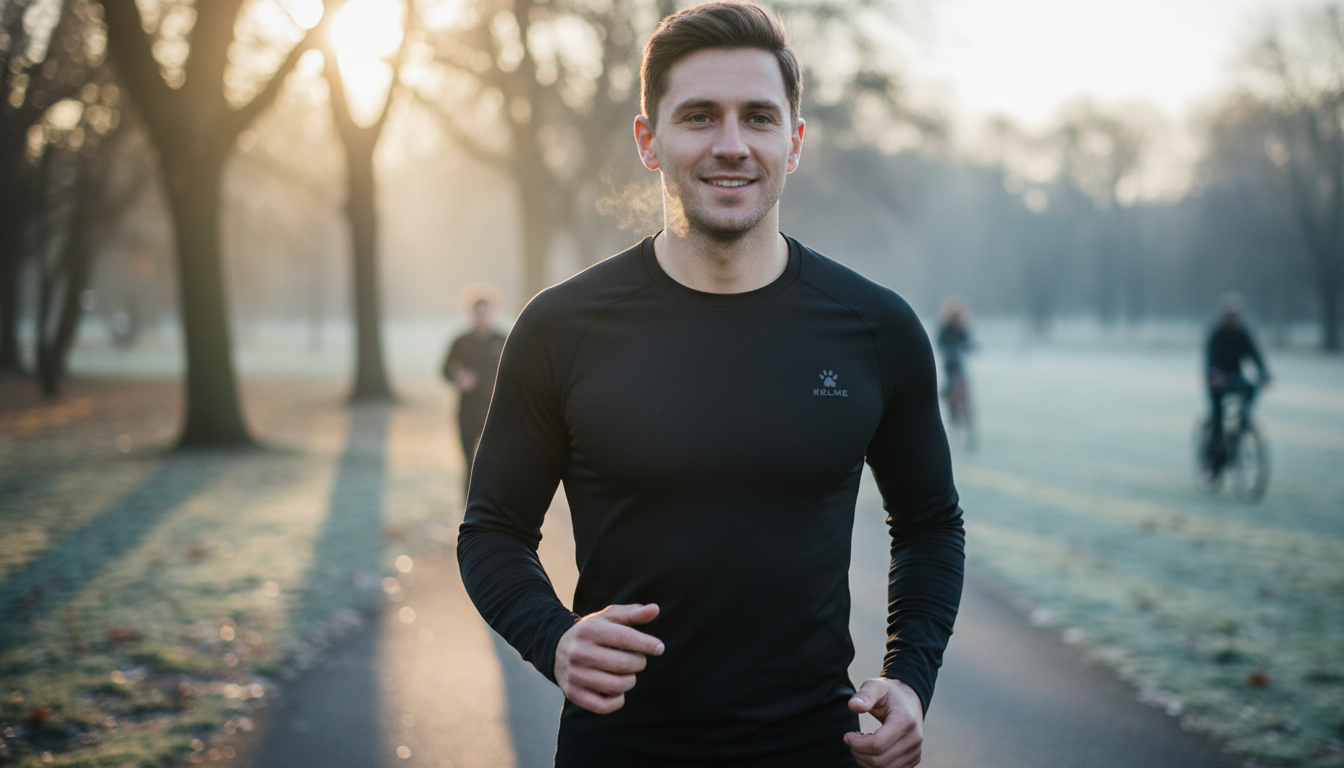
A thermal training top needs to balance insulation with sweat control, stretch with structure, and comfort with durability. Cold-weather workouts often start chilly, heat up fast, and finish with wind chill hitting hard the moment you slow down. The right men’s stretch long sleeve thermal training top helps keep that transition manageable—so you stay warm enough to start, dry enough to keep moving, and comfortable enough to focus on form.
What a Thermal Training Top Should Do During a Workout
Performance in the cold isn’t just about “more warmth.” A training top has to regulate temperature across changing effort levels and protect comfort in high-motion zones.
- Maintain warmth at rest without overheating once intensity increases.
- Move with the body through pressing, pulling, sprinting, and rotational drills without riding up.
- Handle moisture by pulling sweat off the skin and drying efficiently.
- Feel comfortable against skin, especially at cuffs, neckline, and underarm zones.
- Support layering: low bulk under a jacket, enough structure to wear alone.
Guidance from organizations like the CDC on cold stress highlights how quickly wet clothing can increase heat loss. That’s why moisture management matters as much as insulation when the temperature drops.
Stretch + Thermal: How Fabric Choices Affect Performance
Two design goals define this category: stretch that supports training mechanics, and thermal structure that retains warmth without trapping sweat.
- Stretch matters for training: look for elastane/spandex blends or knit structures designed for range of motion.
- Thermal fabrics often use brushed interiors or waffle grids to trap warmth while letting moisture escape.
- A smooth outer face can reduce friction under a vest or shell and help layering feel less restrictive.
- Seam placement impacts comfort: flatter seams and smart paneling reduce rubbing during repetitive motion.
- Fit notes: a close fit improves moisture transfer; a slightly relaxed fit can feel warmer at low intensity.
Training Conditions and What to Prioritize
| Condition | Best Features | Layering Tip |
|---|---|---|
| Cold outdoor runs (steady pace) | Thermal knit, moisture-wicking, close fit | Add a wind-resistant shell if it’s breezy |
| HIIT or intervals in cool weather | Fast-drying fabric, ventilation zones, stretch | Start with a light vest you can remove |
| Gym strength sessions | Stretch, comfortable cuffs/hem, non-restrictive shoulders | Wear alone; keep a hoodie for warm-up sets |
| Early-morning training (variable temps) | Balanced warmth + breathability | Use a packable layer to adapt mid-session |
For a deeper overview of layering logic (base layer to shell), REI’s layering basics provides a clear framework you can adapt to running, lifting, and outdoor circuits.
Fit and Comfort Details That Make a Difference
Small construction choices can make a top feel “invisible” during training—or annoying every time you reach, brace, or sweat.
- Sleeve length: long enough for overhead movement without pulling, but not so long that cuffs bunch under gloves.
- Neckline options: crew neck for easy layering; mock neck for extra warmth around the collarbone area.
- Hem design: a slightly longer hem helps coverage during squats, rows, and running strides.
- Underarm mobility: gussets or articulated panels reduce restriction and improve durability at stress points.
- Chafe prevention: prioritize soft-touch interiors and avoid bulky seams around shoulders and sides.
If a top is intended for mixed training—say, a run followed by pull-ups and sled pushes—prioritize shoulder freedom and an underarm design that doesn’t pinch when your arms come forward or overhead. Comfort at the collar and cuffs matters too, since those points tend to stay damp longer and can feel abrasive if the fabric is stiff.
How to Layer a Thermal Training Top Without Overheating
Layering is less about piling on clothes and more about controlling wind, sweat, and heat loss at the right times.
- Base layer approach: wear it directly on skin when temperatures are cool and wind is mild.
- Mid-layer approach: in very cold conditions, use it over a thin base layer for added insulation and easier temperature control.
- Top layer choice: pair with a breathable, wind-resistant shell for outdoor sessions where wind chill is the main issue.
- Temperature management: unzip or remove outer layers early—overheating leads to sweat buildup and rapid cooling later.
- Activity-based layering: endurance sessions typically need more wind management; gym sessions need more mobility and less bulk.
A practical rule: start a little cool. If you begin fully warm while standing still, you’ll often overheat once you hit working pace. When possible, choose outer layers with easy venting or quick on/off so you can adjust before sweat builds up.
Care and Longevity: Keeping Stretch and Thermal Performance Intact
Product Spotlight: Men’s Stretch Long Sleeve Thermal Training Top
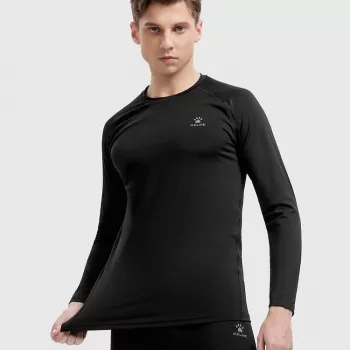
If you want one top that can handle cool outdoor miles, gym warm-ups, and travel workouts, Men’s Stretch Long Sleeve Thermal Training Top is built around that versatile middle ground: long-sleeve warmth with training-friendly stretch.
At-a-Glance Details
| Item | Details |
|---|---|
| Name | Men’s Stretch Long Sleeve Thermal Training Top |
| Price | 84.01 USD |
| Stock Status | In stock |
| Product Page | View product |
More In-Stock Picks
- AI Tips to Elevate Your Writing Voice | Editable Writing Tone Checklist | Digital Download for Writers & Creators | ai tips for improving writing tone | Tone & Style Guide
- Wireless Silver Gaming Controller with Charging Dock for Switch, PC & iPad
FAQ
Is a thermal training top good for high-intensity workouts?
Yes, as long as the fabric wicks moisture and dries quickly. Keep layering minimal and add or remove a shell or vest early to prevent overheating.
Should a thermal training top fit tight or loose?
A closer fit typically improves moisture transfer and layers more cleanly under a jacket. A slightly relaxed fit can feel warmer at low intensity, so choose based on your workout style and comfort.
How should a stretch thermal top be washed to keep its performance?
Wash in cool water, avoid fabric softener, and air-dry or tumble dry low. These steps help protect stretch fibers and maintain moisture-wicking performance.















Leave a comment