Adjustable Waterproof Cloth Diapers: Fit 6–33 lbs
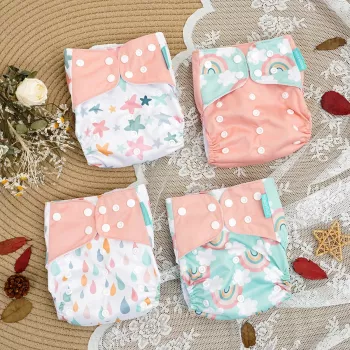
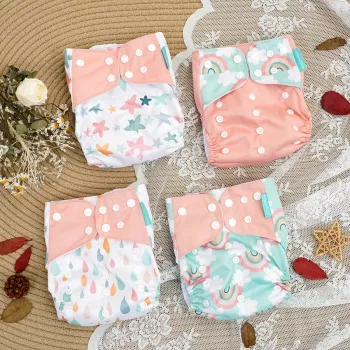
Adjustable Waterproof Cloth Diapers: Soft, Washable Comfort That Grows With Baby
A dependable cloth diaper needs to do three things well: help contain leaks, stay comfortable against delicate skin, and adjust smoothly as your baby grows. Adjustable waterproof cloth diapers are designed to cover a broad fit range—often from newborn through toddler—while offering a reusable alternative to disposables. Below is a practical guide to what makes these diapers different, how to fit a 6–33 lb range correctly, how to reduce leaks for daytime through overnight, and how to wash and care for them so they keep performing over time.
What Makes These Adjustable Cloth Diapers Different
- Waterproof outer layer: Helps keep clothing and bedding drier during naps, overnight, and outings when small leaks can otherwise spread.
- Soft inner feel: Supports comfort for everyday wear and can reduce rubbing around the waist and legs—especially helpful for active crawlers and walkers.
- Adjustable sizing: Snap settings are designed to span multiple growth stages, reducing the need to buy new sizes as often.
- Washable and reusable: Built for repeat use, which can help cut down on disposable diaper waste over time.
- Easy for caregivers: Useful for daycare, travel bags, or as a backup option since the fit is typically a simple snap-on setup once you learn your baby’s settings.
Fit Range: From 6 to 33 lbs (How to Get a Secure Seal)
A good cloth diaper fit is more about shape than the number on the scale. Start with the rise (torso length), then refine the waist and leg seal.
- Adjust the rise first: Set the rise snaps to match your baby’s torso length; then fine-tune the waist for a snug (not tight) fit.
- Check leg placement: Leg openings should sit in the bikini line and create a gentle seal—avoid pulling them high up onto the thigh.
- Two-finger waist rule: A solid fit allows two fingers at the waist without gaping at the back or hips.
- Common leak cause: A loose leg seal or an absorbent insert peeking out beyond the waterproof edge can cause wicking onto clothing.
- For fast movers: Recheck fit after crawling or walking. Movement can shift the insert and loosen the seal, especially after naps in the car seat or stroller.
| Baby weight | Rise setting | Waist adjustment | Best use notes |
|---|---|---|---|
| 6–12 lbs | Smallest rise (shortest setting) | Snug waist; avoid over-tightening | Prioritize leg seal; check for gaps at the back |
| 13–22 lbs | Middle rise | Comfortably snug | Great everyday stage; adjust after naps if marks appear |
| 23–33 lbs | Largest rise (tallest setting) | Room for movement without gaping | Watch for compression leaks; consider higher absorbency for long stretches |
Leak Protection Basics (Daytime, Naps, and Overnight)
Most cloth diaper leaks come down to either fit or absorbency. The shell blocks moisture, but the insert has to hold it—without pushing the shell out of place.
Softness and Skin Comfort
- Reduce friction: A soft inner surface can help minimize rubbing during crawling, walking, and longer wear.
- Change after heavy wetting: Prompt changes reduce prolonged moisture contact, which can matter for sensitive skin.
- Watch for redness: If you see irritation or deep marks, reassess fit. Too tight can leave pressure lines; too loose can cause rubbing and leaks.
- Choose diaper-safe products: Some barrier creams can coat fabrics and reduce absorbency; if you use creams, choose cloth-diaper-friendly options and launder thoroughly.
- Keep laundry low-irritant: Fragrance-free routines can reduce triggers for babies prone to sensitivity. For diaper rash guidance, see the American Academy of Pediatrics diaper rash overview.
Washing and Care: Keeping Them Absorbent and Fresh
Since diaper changes involve hands-on cleanup, following reliable hygiene practices helps protect the whole household. The CDC handwashing guidance is a helpful standard for caregivers.
What’s Included and What Else May Be Helpful
When Cloth Diapers Make the Most Sense
Product Options Available Now
- Adjustable Waterproof Cloth Diapers – Soft, Washable & Fits 6–33 lbs (in stock): A flexible option for everyday rotation, travel bags, and caregiver-friendly snap adjustments. Wash once before first use to help reach best absorbency.
- AI Tips to Elevate Your Writing Voice | Editable Writing Tone Checklist (in stock): A digital checklist some shoppers use as a quick reference for creating consistent notes, announcements, or templates.
- AI Newsletter Wizard – Ultimate Editable Checklist for Email Creators (in stock): A downloadable option for anyone who likes structured templates and repeatable routines.
FAQ
How many cloth diapers are needed to start?
A small starter set is often 8–12 diapers if laundry is done frequently, while 18–24 diapers can support a fuller rotation with washing every 2–3 days. Adding a few extra inserts helps cover longer stretches like naps, outings, and overnight.
How can leaks be reduced with adjustable cloth diapers?
Set the rise first, then secure a snug leg seal and keep inserts fully tucked inside the waterproof edges to prevent wicking. Avoid overstuffing (which can cause gaps) and match absorbency to the length of wear time.
What detergent and wash routine works best for washable diapers?
A practical routine is a pre-rinse or short wash to remove waste, followed by a main wash with enough detergent and agitation to fully clean. Rinse thoroughly, avoid fabric softeners and dryer sheets, and don’t overload the washer so everything can move freely.















Leave a comment