6×8 Walk-In Polycarbonate Greenhouse: Aluminum Frame
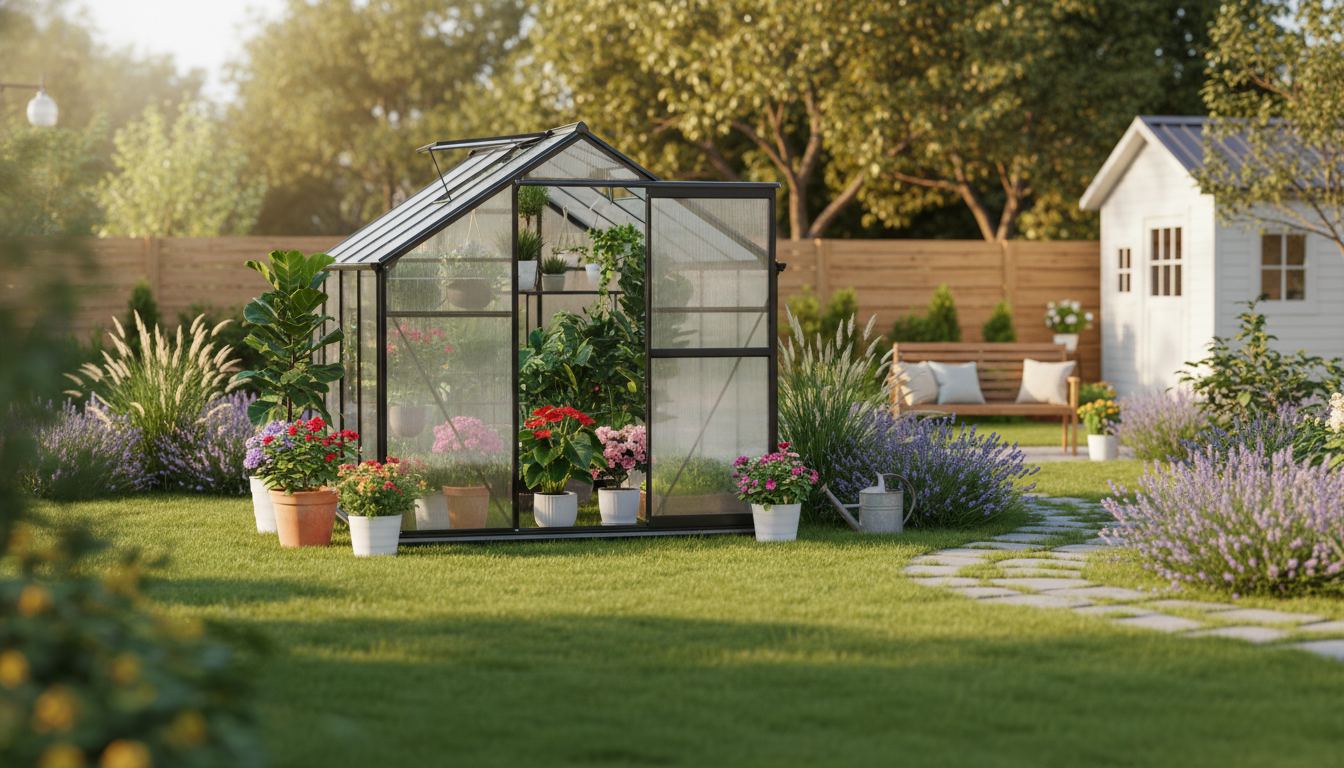
6 x 8 FT Walk-In Polycarbonate Greenhouse with Aluminum Frame for Outdoors
A 6 x 8 walk-in greenhouse is a practical step up from shelving-style covers: enough room to move, stage seedlings, and protect plants from wind, heavy rain, and temperature swings. Polycarbonate panels help diffuse light and reduce scorching, while an aluminum frame keeps the structure lighter and more corrosion-resistant than many steel alternatives.
What This Greenhouse Is Designed to Do
This size greenhouse is built for everyday backyard growing—more “usable workspace” than a temporary cover, while still fitting comfortably in many patios and side yards.
- Create a protected growing space for seedlings, herbs, tender ornamentals, and shoulder-season vegetables.
- Buffer plants from wind, driving rain, hail, and quick temperature drops (protection level depends on anchoring and local weather extremes).
- Improve light conditions with diffused transmission typical of polycarbonate panels to reduce harsh hotspots on leaves.
- Provide walk-in access for watering, pruning, and tray movement without constantly unzipping covers.
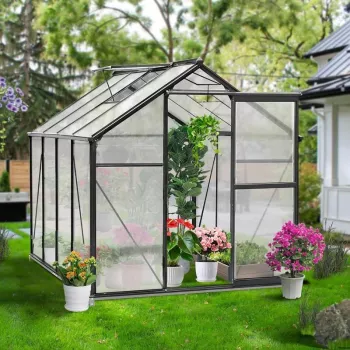
If you want a compact footprint with true stand-and-work convenience, take a look at the 6 x 8 FT Walk-In Polycarbonate Greenhouse with Aluminum Frame for Outdoors.
Materials That Matter: Polycarbonate Panels + Aluminum Frame
Two material choices shape how a greenhouse behaves in real weather: the glazing (panels) and the structure (frame). Together, they influence durability, heat retention, light quality, and how stable the greenhouse feels once assembled.
- Polycarbonate panels: commonly chosen for impact resistance and light diffusion, which can reduce leaf burn compared with very clear glazing under intense sun.
- Panel thickness and construction: single-wall vs. multi-wall affects insulation and rigidity; confirm the exact panel spec on the product page before buying.
- Aluminum frame: generally corrosion-resistant and lighter for easier handling during assembly; still needs proper anchoring in wind-prone areas.
- Seals, panel clips, and fasteners: small parts that influence drafts and rattling—organizing and pre-sorting them can make assembly smoother.
Quick spec check before ordering
| Item to verify | Why it matters | What to look for |
|---|---|---|
| Panel type & thickness | Insulation, sturdiness, and noise in wind | Multi-wall panels for better heat retention; confirm thickness listed |
| Door size & opening style | Ease of moving trays and watering cans | Clear walk-in access; smooth latch/handle |
| Ventilation features | Heat control on sunny days | Roof vent(s) and/or adjustable openings |
| Base/anchoring method | Wind resistance and squaring the frame | Options for ground anchors, pavers, or a wood base frame |
| Overall footprint | Fit in the yard and around pathways | Enough clearance for doors to open and for airflow around the exterior |
Space Planning for a 6 x 8 Walk-In Layout
A 6 x 8 layout can feel surprisingly roomy when it’s organized around movement. The goal is to make daily tasks—watering, checking pests, shifting trays—simple enough that you actually do them on time.
- Keep a central aisle: leave a clear path so watering and harvesting don’t crush plants; benches or shelves work best when kept shallow.
- Create a staging zone: reserve space near the entrance for potting trays, labels, and tools to avoid tracking soil through the whole interior.
- Use vertical capacity: hanging baskets and tiered racks can increase plant count without widening the footprint.
- Maintain outside clearance: keep space around the greenhouse so panels, vents, and fasteners are easy to access for cleaning and seasonal checks.
Ventilation and Temperature Control Basics
Overheating is the most common greenhouse problem; even on cool days, full sun can push interior temperatures far above the outdoor reading. A few simple habits make a major difference.
- Start with passive ventilation: roof vents and the door cracked open can drop peak heat significantly.
- Watch for plant signals: curling, bleaching, or midday wilting (despite moist soil) often indicates light/heat stress rather than thirst.
- Use shade strategically: add shade cloth in high-sun months to soften light and protect tender starts.
- Thermal management: water early, choose light-colored containers, and avoid placing dark barrels where they trap excess heat unless used intentionally as thermal mass.
- Air movement helps: if power is available, a small circulating fan improves airflow, discourages fungal issues, and strengthens stems.
For broader guidance on season extension and cold-weather protection, see the USDA’s information on extending the growing season and cold weather considerations. For greenhouse temperature management fundamentals, consult resources from University of Georgia Extension.
Outdoor Setup: Site Prep, Leveling, and Anchoring
Care and Seasonal Maintenance
Who This Size Works Best For
Shop In-Stock Picks
- 6 x 8 FT Walk-In Polycarbonate Greenhouse with Aluminum Frame for Outdoors — $327.01
- AI Tips to Elevate Your Writing Voice | Editable Writing Tone Checklist | Digital Download for Writers & Creators | ai tips for improving writing tone | Tone & Style Guide — $4.99
FAQ
Is polycarbonate better than glass for an outdoor backyard greenhouse?
Polycarbonate is often preferred outdoors because it’s more impact-resistant and diffuses light to reduce harsh hotspots on plants. It can also insulate better than single-pane glass, but it may scratch more easily and won’t have the same crystal-clear visibility. Check the panel type and thickness to match your climate and durability needs.
Does an aluminum-frame greenhouse need to be anchored?
Yes—anchoring helps prevent wind uplift and frame racking, and it keeps doors and panels aligned over time. Common approaches include ground anchors, mounting to pavers, or fastening the frame to a pressure-treated wood base. Leveling and squaring the base before final tightening is just as important as the anchors themselves.
Can a 6 x 8 greenhouse be used in winter?
It can provide meaningful protection from wind and light frosts, but winter performance depends on your climate, sun exposure, and whether you add insulation or heat. Manage condensation with short ventilation on milder days, and stay aware of snow load by keeping the roof clear when storms hit.












Leave a comment