Double-Ended Eyeliner & Brow Brush Set Guide
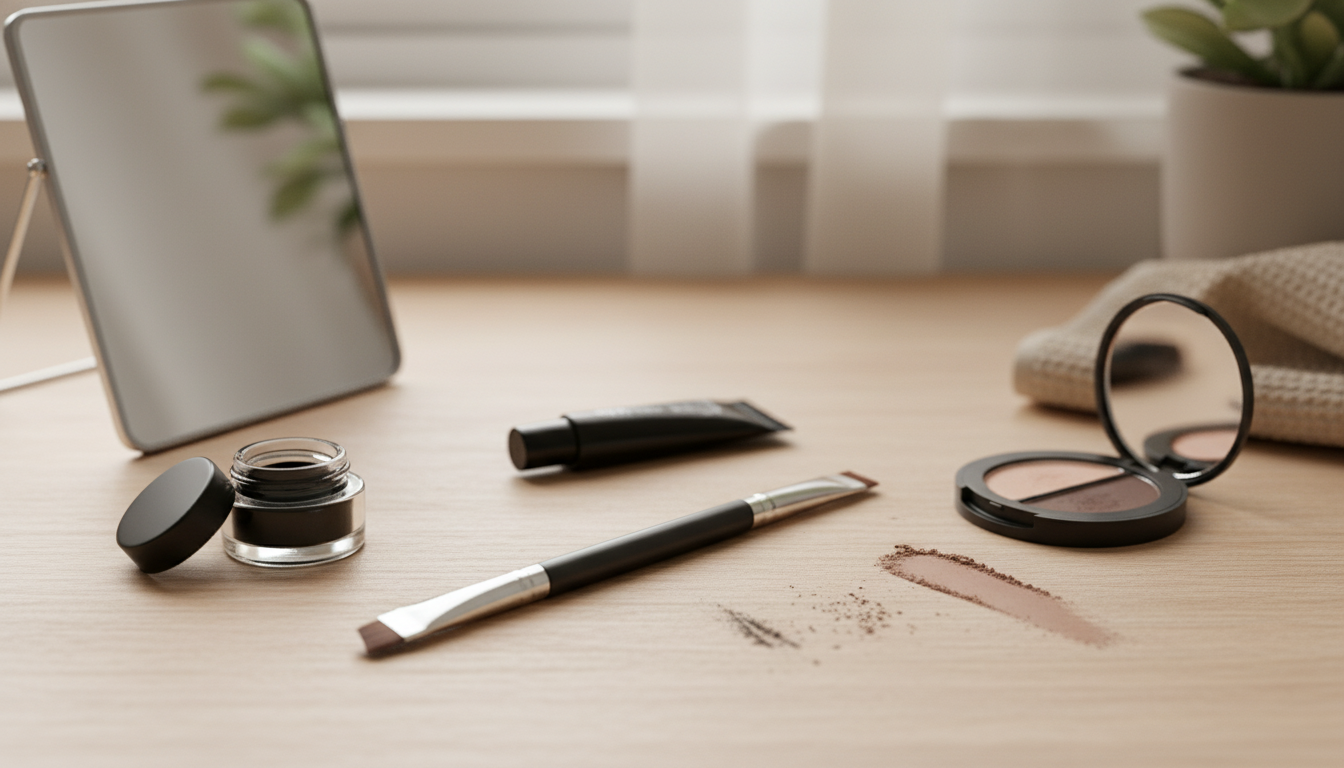
Double Head Eyeliner & Eyebrow Brush Set: Clean Lines, Defined Brows, Less Clutter
A double-ended brush set streamlines daily makeup: one side for precise eyeliner and the other for shaping, filling, and detailing brows. With one handle doing double duty, it’s easier to keep your routine quick, your makeup bag light, and your lines consistent. Below, you’ll find practical ways to use each end with different formulas, plus simple upkeep steps that help bristles stay sharp and hygienic over time. For more guidance, see Cosmetic makeup enhances facial attractiveness and affective ….
What a Double-Ended Eyeliner & Brow Brush Does
A double-ended eyeliner and eyebrow brush is designed to cover the most detail-heavy parts of an eye look—liner placement and brow definition—without switching tools every step. The eyeliner end is usually fine or angled to get close to the lash line, while the brow end is often angled or slightly firmer for controlled strokes that mimic hair. For further reading, see Makeup Skills for Alopecia: Lashes, Base, and Contour with ….
- Two tools in one handle reduces the number of brushes needed for a basic eye routine.
- Angled or fine-liner ends help place pigment close to the lash line for crisp definition.
- Brow-focused ends help distribute product, shape arches, and soften harsh lines.
- Works especially well for quick routines, travel kits, and touch-ups.
Best Uses by Formula (Powder, Pomade, Gel, Liquid)
The biggest difference between “easy” application and a messy one is how much product hits the bristles. Each formula behaves differently, so small adjustments—tapping off excess, working in short strokes, and cleaning promptly—make a noticeable difference in the final finish.
Quick pairing guide
| Formula | Eyeliner end technique | Brow end technique | Common mistake to avoid |
|---|---|---|---|
| Powder | Press along lashes, then smudge slightly for softness | Feather through sparse areas, then blend | Overloading the brush and causing fallout |
| Pomade | Use minimal product; sketch thin line, then connect | Outline tail, fill mid-brow, lightly blend front | Making the front of the brow as dark as the tail |
| Gel (pot) | Short strokes; keep line close to lashes | Detail the tail and clean the lower edge | Letting product dry on bristles between strokes |
| Liquid | Wipe excess; draw in small segments | Not ideal for brows; use only for ultra-fine faux hairs if appropriate | Trying to draw a full line in one pass |
- Powder (shadow or brow powder): Tap off excess, press color into the lash line, then build in thin layers for less fallout.
- Pomade: Load a small amount on the angled edge, outline the brow tail first, then fill sparse areas with light strokes.
- Gel liner (pot): Keep the brush dry (not damp) and clean; gel sets quickly, so work one eye at a time.
- Liquid liner: If using with a brush, wipe one side of the brush on the rim to avoid drips and keep the line controlled.
Simple Techniques for Sharper Eyeliner
Great eyeliner is usually a series of small, controlled steps rather than one perfect stroke. A double-ended tool helps because you can keep your grip consistent while changing angles and pressure.
- Tightline effect: Gently press product into the roots of lashes instead of drawing a thick stripe above them. This makes lashes look fuller while keeping the lid space clean.
- Wing mapping: Look straight ahead, mark the wing direction first, then connect back to the lash line in a thin triangle. Mapping prevents “sisters, not twins” wings from drifting too far apart.
- Stamp-and-drag method: Stamp short segments along the lash line, then lightly connect them for a smoother finish. This technique is especially helpful with gel and pomade textures.
- Clean edge trick: Use a tiny amount of concealer on a clean brush or cotton swab to sharpen the outer corner. Keep the cleanup line angled toward the tail of the brow for a lifted look.
For eye-area safety and irritation prevention, it’s worth following basic hygiene guidance from the American Academy of Ophthalmology, especially if your eyes are sensitive or you wear contact lenses.
Brow Shaping and Filling Without Harsh Blocks
Cleaning, Drying, and Keeping Bristles in Shape
Fast cleaning checklist
| Step | What to do | Why it helps |
|---|---|---|
| 1. Cleanse | Lather bristles with gentle soap/cleanser | Breaks down oils, waxes, and pigment |
| 2. Rinse | Rinse from base toward tip | Prevents water from entering the handle |
| 3. Towel press | Press (don’t twist) in a towel | Maintains bristle shape |
| 4. Dry | Lay flat or bristles-down | Protects the ferrule and reduces shedding |
Product Spotlight: Double Head Eyeliner & Eyebrow Brush Set
If you want one compact tool that covers both liner definition and brow detailing, the Double Head Eyeliner & Eyebrow Brush Set is a simple, budget-friendly option designed for everyday use. It’s especially handy for quick touch-ups or reducing clutter in a makeup bag.
At-a-glance details
| Item | Details |
|---|---|
| Name | Double Head Eyeliner & Eyebrow Brush Set |
| Price | $2.47 USD |
| Availability | In stock |
| Product page | View product |
Troubleshooting: Common Issues and Quick Fixes
More In-Stock Finds
- AI Tips to Elevate Your Writing Voice | Editable Writing Tone Checklist (Digital Download)
- AI Newsletter Wizard – Ultimate Editable Checklist for Email Creators (Digital Download)
FAQ
Can this brush set be used with gel liner and brow pomade?
Yes. Use minimal product, work in short strokes, and clean promptly after creams or gels so residue doesn’t harden in the bristles.
How often should eyeliner and eyebrow brushes be cleaned?
Weekly is a good baseline for cream or gel products, while powders can be cleaned every 1–2 weeks. Clean sooner if you notice buildup or any irritation.
What’s the easiest way to get natural-looking brows with an angled brush?
Start at the tail, use light hair-like strokes, keep the front softer than the arch and tail, and blend the edges after filling for a more natural gradient.















Leave a comment