Diecast Construction Vehicle Set: Crane, Dozer, Excavator
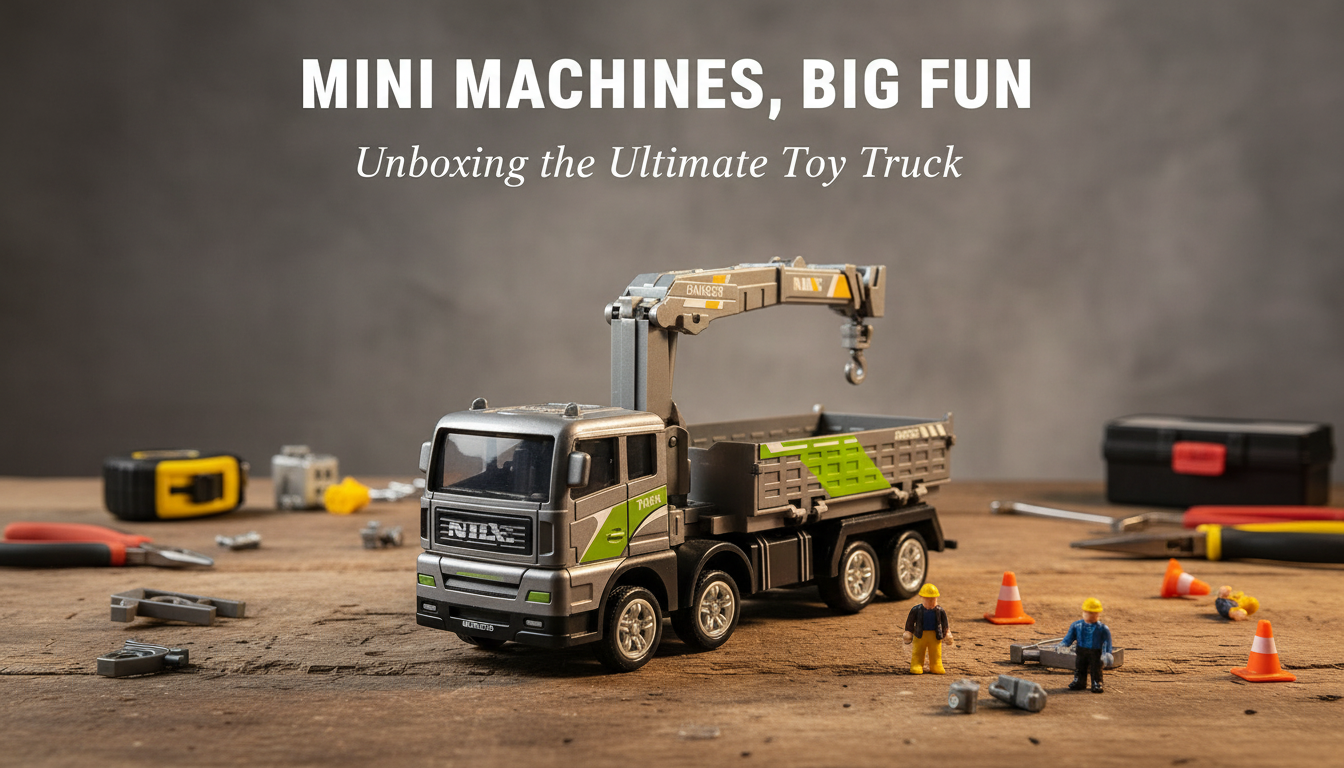
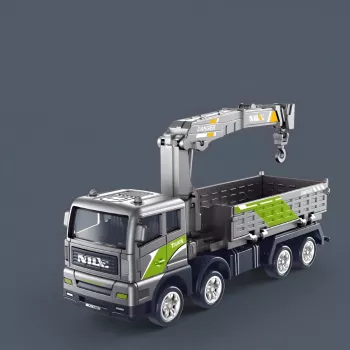
Diecast Engineering Construction Toy Vehicles – Crane, Bulldozer, Excavator & More
Diecast construction vehicles bring the sights and sounds of a worksite into playtime—lifting, digging, pushing, and hauling through hands-on action. This set-style assortment featuring a crane, bulldozer, excavator, and more is built for pretend-jobsite play, gift-giving, party favors, and everyday imaginative fun at home or on the go.
If you’re looking for a compact “fleet” that feels substantial in small hands, check out Diecast Engineering Construction Toy Vehicles – Crane, Bulldozer, Excavator & More.
What Makes Diecast Construction Vehicles So Fun
- Satisfying “real-machine” feel: Diecast metal adds weight and durability compared with many all-plastic toys, making each push, lift, and roll feel more like operating a real machine.
- Instant story starter: Kids naturally create scenes like road building, demolition, rescue, and material hauling—no complicated setup required.
- Great for solo or group play: These are easy to share, trade roles (operator, foreman, driver), and build cooperative scenarios where everyone has a job.
- Works with common play setups: Pair with sand tables, kinetic sand, blocks, toy road mats, or a quick cardboard “jobsite” built from shipping boxes.
Meet the Fleet: Crane, Bulldozer, Excavator, and More
A good construction set feels varied: one vehicle to lift, one to push, one to dig, and a few to keep the “jobsite” moving. Mixing actions helps kids stay engaged longer and encourages different kinds of problem-solving.
- Crane play ideas: Lift and “place” blocks, small containers, or pretend cargo; practice careful movement and positioning.
- Bulldozer play ideas: Push sand (or lightweight blocks) to clear paths and create ramps; great for big, satisfying motions.
- Excavator play ideas: Dig, scoop, and dump; set up loading zones and pretend trenches for pipes or cables.
- Add-on worksite roles: Add toy cones, painter’s tape lines, small buckets, or cardboard signs for realistic scenes.
- Skill-building without screens: Encourages fine-motor control, cause-and-effect learning, and imaginative storytelling.
Vehicle Types and Play Benefits
| Vehicle | Signature Action | Best For | Simple Play Prompt |
|---|---|---|---|
| Crane | Lifting and placing | Careful control and planning | Move “cargo” from the yard to the build zone |
| Bulldozer | Pushing and leveling | Big movements and problem-solving | Clear a road and make a flat base |
| Excavator | Digging and scooping | Fine-motor coordination | Dig a trench and load a dump area |
| Other construction vehicles | Hauling, rolling, or support tasks | Imaginative role play | Run a supply route between stations |
How Kids Use These Vehicles for Real-World Style Play
Construction play gets even better with simple “systems” that mimic how real worksites operate. The goal isn’t accuracy—it’s creating a playful structure that gives kids a reason to plan, test ideas, and adapt when something doesn’t work.
- Build a mini jobsite: Designate zones for digging, loading, lifting, and parking using tape roads or paper labels.
- Create a “day plan”: Try a simple sequence: morning demolition, midday hauling, afternoon lift-and-place, end-of-day cleanup.
- Add materials: Use blocks, cardboard scraps, sponge pieces, or safe household items as beams, pallets, and “rubble.”
- Introduce simple challenges: Move items without dropping, build the smoothest road, or sort “materials” by color or shape.
- Make it social: Assign roles like operator, safety inspector, and dispatcher to keep group play organized and cooperative.
For family guidance on choosing safe toys and setting up safe play, refer to authoritative resources like the U.S. Consumer Product Safety Commission (CPSC) toy safety page and the American Academy of Pediatrics toy safety tips.
Choosing the Right Construction Toys for Age and Space
- Age guidance: Follow the manufacturer’s recommended age range. Younger kids typically do best with larger pieces and simpler moving parts.
- Hands and surfaces: Think about where play happens—carpet, hardwood, driveway, or sandbox—then choose vehicles that roll and handle well there.
- Durability expectations: Diecast metal often stands up to drops and frequent handling; look for secure wheels and sturdier joints.
- Storage and travel: A small fleet can fit in a tote or backpack for waiting rooms, visits with relatives, or travel days.
- Safety basics: Avoid toys with loose, tiny parts for young children, and supervise play with sand, gravel, or small accessories.
Gift Ideas and Occasion Pairings
Construction vehicles are easy to wrap, easy to share, and easy to enjoy right away. A few small additions can turn a simple gift into a complete “jobsite” experience.
If you’re building a broader gift bundle, you may also like adding an at-home entertainment option such as the Wireless Silver Gaming Controller with Charging Dock for Switch, PC & iPad for older kids and teens, or a creative digital extra like AI Tips to Elevate Your Writing Voice | Editable Writing Tone Checklist for budding writers.
Care, Storage, and Keeping the Fleet Rolling
FAQ
Are diecast construction vehicles safe for young kids?
Check the toy’s recommended age range and choose designs without small detachable parts for toddlers. Supervise younger children during play, and follow common toy-safety guidance from trusted organizations.
Do these vehicles work well in sand or outdoors?
Yes—diecast construction vehicles are great for outdoor pretend play. Use clean play sand when possible, wipe or rinse off grit afterward, and dry thoroughly to help keep wheels and axles rolling smoothly.
What’s a simple way to set up a construction play area at home?
Use painter’s tape to mark roads and zones, add blocks or cardboard as “materials,” and create a dig site in a shallow tray or bin. Assign roles like operator and dispatcher to make group play feel organized and realistic.















Leave a comment