Clamp-On Manual Stainless Steel Meat Grinder Guide
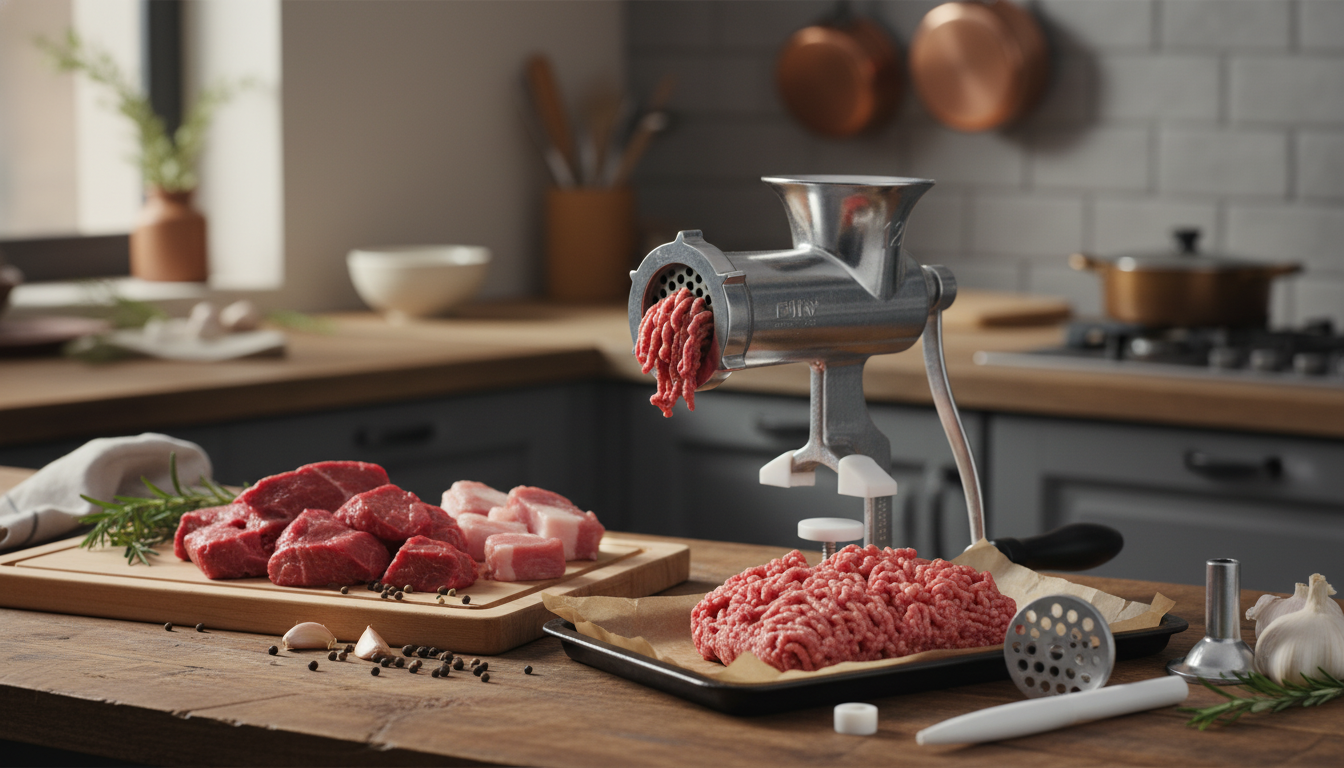
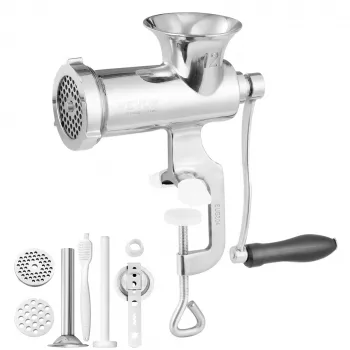
Manual Stainless Steel Meat Grinder with Clamp
A manual stainless steel meat grinder with clamp brings hands-on control to home grinding—useful for custom burger blends, meatballs, and small-batch prep. The clamp mount helps keep the grinder steady while the hand crank powers the grind without electricity. For cooks who value simple gear, fewer moving parts, and the ability to fine-tune texture, a clamp-mounted manual grinder can be a practical countertop tool that earns its keep.
What It Is and When It Makes Sense
A manual meat grinder is a hand-crank grinder built for countertop use and typically secured with a clamp to reduce shifting during grinding. The main advantage is control: you can choose the cut, manage the fat ratio, and decide how coarse or fine the final grind should be.
- Hand-crank meat grinder built for countertop use, typically secured with a clamp to reduce shifting during grinding
- Best suited to small to medium batches where control and simplicity matter more than speed
- Useful for customizing texture and seasoning by grinding at home instead of buying pre-ground meat
It’s especially helpful for occasional burger nights, dumpling filling, small-batch sausage prep (where applicable), or when a non-electric tool is preferred for travel, camping, or limited-outlet kitchens.
Quick Details at a Glance
Clamp mounting is designed to stabilize the grinder on a table or counter edge, while stainless steel construction is commonly chosen for durability and easier cleanup compared with painted metals. Manual operation also adds portability and keeps the setup independent of power outlets.
Product Snapshot
| Item | Details |
|---|---|
| Product | Manual Stainless Steel Meat Grinder with Clamp |
| Material | Stainless steel (per product title) |
| Mounting | Clamp-style countertop attachment |
| Power | Manual hand crank |
| Availability | In stock |
| Price | $109.01 USD |
If you’re ready to add one to your kitchen setup, see the Manual Stainless Steel Meat Grinder with Clamp.
Clamp Setup and Countertop Fit
Most performance issues with manual grinders trace back to stability. A steady mount makes the crank feel smoother, reduces wobble, and helps produce a more even grind.
- Measure the thickness of the counter edge to ensure the clamp can tighten securely without bottoming out
- Add a thin cutting board or protective pad if the counter surface marks easily, while keeping the grinder stable
- Tighten gradually and re-check during use, especially when pushing firmer, colder meat through the auger
A simple test: once clamped, try twisting the body with your hands before loading meat. If it rotates or “walks,” reposition and tighten until it stays planted.
Grinding Performance Basics
Manual grinding rewards good prep. A little temperature and portion control makes the grinder cut cleanly rather than mash, which is key for better texture in burgers and meatballs.
- Chill meat and parts before grinding to improve a clean cut and reduce smearing of fat
- Cut meat into strips or cubes that feed smoothly into the throat without forcing
- Use a steady crank rhythm; forcing the crank can strain the mount and reduce consistency
- For a finer texture, grind twice: first a coarse pass, then a second pass after re-chilling
When feeding meat, aim for gentle pressure. Let the auger grab and pull pieces through rather than pushing hard; the output tends to look more uniform, and the clamp stays happier.
Choosing Meat and Fat Ratios for Better Results
Grinding at home gives you the freedom to blend cuts for flavor and mouthfeel. Fat content matters because it impacts juiciness, tenderness, and how the mixture binds.
- For juicy burgers, many home cooks aim for a blend that includes enough fat to stay moist during cooking
- For meatballs or dumpling fillings, slightly finer texture and balanced fat can improve binding and tenderness
- Trim gristle and sinew where possible to reduce clogging and uneven output
For better consistency, sort meat into similar-sized pieces and mix cubes from different cuts together in the bowl before grinding. That quick pre-mix helps distribute fat more evenly instead of ending up with one portion that’s leaner than the rest.
Cleaning, Food Safety, and Maintenance
Because grinding increases surface area, food safety and prompt cleanup are especially important. The goal is to keep everything cold while working, then clean thoroughly before residue dries.
For additional guidance on safe handling practices, refer to the USDA FSIS safe handling recommendations for ground meat and the FDA Food Code for broader food safety practices.
Common Issues and Simple Fixes
Manual vs. Electric Grinders
Who This Grinder Is a Good Fit For
More In-Stock Picks
Along with the Manual Stainless Steel Meat Grinder with Clamp, these in-stock items are available on the same store:
- AI Tips to Elevate Your Writing Voice | Editable Writing Tone Checklist | Digital Download for Writers & Creators | ai tips for improving writing tone | Tone & Style Guide
- AI Newsletter Wizard – Ultimate Editable Checklist for Email Creators | AI Prompts for Newsletter Content | Digital Download for Content Strategy & Email Marketing
FAQ
Can a manual meat grinder handle partially frozen meat?
Yes. Slightly firm or partially frozen meat often grinds cleaner and helps reduce fat smearing, but avoid rock-hard frozen pieces that can strain the crank and dull cutting surfaces.
How tight should the clamp be on the countertop?
Tighten it enough that the grinder doesn’t twist, wobble, or “walk” during cranking. If your counter is delicate, use a thin protective pad and re-check tightness during longer sessions.
How can cross-contamination be reduced when grinding meat at home?
Keep meat cold, sanitize tools and surfaces, separate raw and ready-to-eat foods, and disassemble and wash the grinder promptly after use so residue doesn’t linger in the auger, blade, or plate.















Leave a comment